One Seat, Whole Bench: The Case for Going Solo in a Hired Motorhome

Photo by Photo by Mark Mialik on Unsplash on Unsplash
There is a particular look you get on a campsite when you pull in alone. Half admiration, half pity, usually delivered over a hedge by somebody with a windbreak and a firm opinion about awning pegs.
Ignore it. Hiring a motorhome by yourself is one of the better travel decisions available to a British adult in 2026, and the case for it is stronger than most people assume. It is also not without cost, effort or the occasional quiet evening. Here is the honest version.
The cost argument, without the marketing
The nightly rate does not halve because there is one of you. A four-berth costs what it costs whether it carries one person or five. That means your per-night figure is higher than a couple's, and no amount of romantic prose about the open road changes the arithmetic.
What does change it is everything stacked around the hire. You are not paying a single supplement on a hotel room. You are cooking most of your own meals. Campsite fees of roughly £15 to £30 a night cover your bed, your shower and your electric. Fuel for a small van on a week of short hops is modest. Compare a solo week of self-catering and site fees with seven nights of B&B, restaurant dinners and train fares, and the gap narrows sharply — often to nothing.
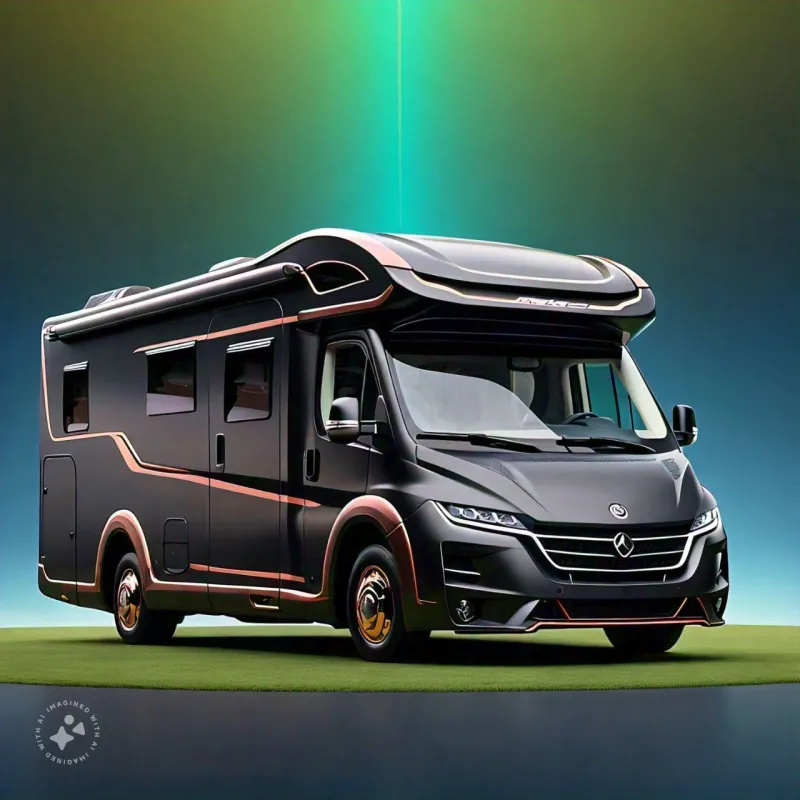
The trick is to size the van to the person. A five-and-a-half to six-metre panel van conversion is the sweet spot: sub-3,500kg so a standard licence covers it, easier on fuel, easier to park, and far easier to thread through a Cumbrian village than a seven-metre coachbuilt. Two berths is not a compromise when there is one of you. It is the correct answer.
Pick a van you can actually handle
Solo driving confidence is not about bravery, it is about margins. The smaller the vehicle, the more margin you have for misjudging a gatepost.
Ask for a reversing camera, a decent near-side mirror setup and a vehicle under 3,500kg on your first solo trip. Skip the awning — it is a two-person job in any breeze, and a solo awning is a solo argument. Skip the bike rack too, unless you genuinely plan to ride.
And book a proper handover. Twenty minutes spent understanding your water, gas and waste before you leave the depot saves an hour of confused torch-work at nine o'clock at night on a site in Shropshire.
Pitch confidence is a learnable skill
Most solo nerves are about arriving, not driving. Nobody wants to be the person who reverses badly in front of an audience.
So stack the odds. For your first night, book a site that is easy to find and easy to pitch, ideally within a couple of hours of home. Arrive in daylight. When you check in, be straightforward about being new to it and ask the warden which pitch is simplest to get into — they will know, and they deal with this constantly.
Practise reversing once, deliberately, in an empty car park before the trip. Walk the pitch before you move onto it. Use the chocks. Plug the hook-up cable in with the switch off. Small rituals make a big difference to how settled you feel by the second night.
Safety habits that don't spoil the trip
Solo travel is not dangerous, but it rewards a little routine.
- Share your live location with someone at home, and send a short nightly message with where you are.
- Park nose-out where you can. It makes leaving easier and looks more confident.
- Keep your keys and a torch within reach of the bed, and know where the habitation door and cab locks are without hunting in the dark.
- Choose staffed campsites over remote laybys for the bulk of the trip. Not because wild spaces are unsafe, but because wardens, neighbours and a lit toilet block are useful things to have nearby when you are on your own.
- Check the smoke and carbon monoxide alarms at handover. Every time.
- Take proper breakdown cover that covers motorhomes, and save the number somewhere offline as well as in your phone.
- Trust the flat feeling. If a place does not sit right, drive on.
None of this is dramatic. It is just the difference between a trip where you feel exposed and one where you feel sorted.
Plan a route that does not feel lonely
Long drives are the enemy of solo travel. Four hours behind the wheel with nobody to talk to is a chore; ninety minutes with a nice café at the end of it is a pleasure.
Aim for hops of 60 to 90 minutes. Build the day around places where people exist — market towns, National Trust cafés, a decent pub lunch, a site with a communal barn or a bar. Scotland in particular is full of small sites where the owner will talk to you for twenty minutes about the weather, and that is worth more than another viewpoint.
Mix your nights. Two nights somewhere gives you a full day to walk, read and properly settle; a run of one-nighters starts to feel like a driving job. And plan your evenings, not just your days. A podcast, a book, a proper meal and an early night is a perfectly good way to spend one. Knowing that in advance stops the quiet from feeling like something has gone wrong.
The bit nobody puts in the brochure
Some evenings are long. The freedom is real, and so is the silence, and the two arrive together. Almost every solo traveller has one night where they wonder why they did not just book a cottage with a telly.
Then the morning comes, you make coffee, open the door onto a view nobody else in your life is currently looking at, and the maths works again. That is the trade, honestly stated: a higher cost per head, a bit more admin, and a kind of freedom that shared trips rarely manage.
One seat, the whole bench, and nobody to argue with about the heating. If that sounds like your sort of holiday, book a small van, take a short first trip, and see how the second morning feels.