Nine O'Clock, No Pitch, No Panic: A Field Guide to the Last-Minute Motorhome Stopover
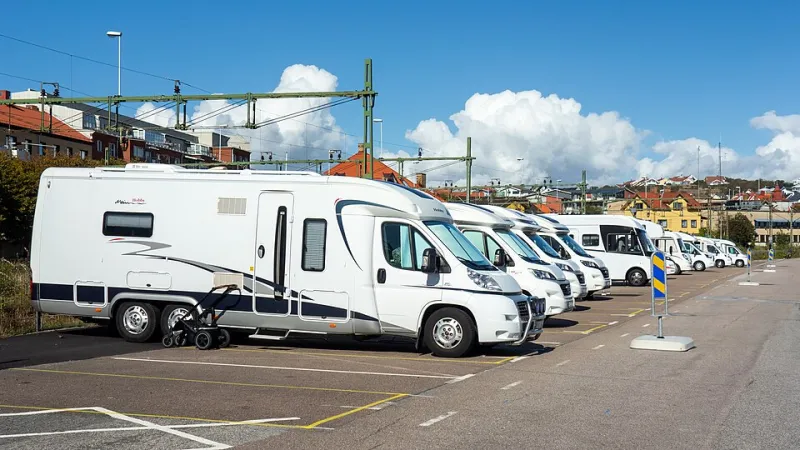
Photo: W.carter, CC BY-SA 4.0, via Wikimedia Commons
There's a particular flavour of dread that arrives somewhere around half eight in the evening, when you've driven past the campsite sign that says FULL, the satnav has lost interest in your life, and the person next to you is asking, quite reasonably, where exactly you're planning to sleep.
We've been there. Specifically, we've been there near Keswick at 9:04pm on a Bank Holiday Saturday, crawling around narrow lanes in a 6.5-metre motorhome while a very patient dog waited for his dinner. What follows is everything that evening taught us, plus the collective wisdom of thousands of miles of trial and error.
First, Know What You're Actually Looking For
An overnight stop is not a campsite. You're not looking for showers, a play park and a shop. You're looking for a flat-ish, legal, safe place to park for ten to twelve hours, ideally with a loo situation you can live with. Lower your expectations accordingly and the whole exercise becomes far less stressful.
Your realistic options break down into roughly four buckets: pub stopovers, farm shop and business schemes, formal motorhome stopovers, and — in Scotland only — responsible wild camping.
The Pub Stopover: Buy a Pint, Sleep Soundly
Plenty of rural pubs now welcome motorhomes overnight, often for free if you eat or drink there, sometimes for a modest fee. It's a beautifully British arrangement: they get some evening trade on a quiet Tuesday, you get a car park, a meal you didn't have to cook on two gas rings, and generally a landlord who'll point you at the flattest corner.
The trick is asking before you park up, not after. Roll in, go inside, and have the conversation. Most pubs that participate in formal schemes — Britstops is the best known — display a sticker, but plenty of others will simply say yes if you ask nicely. Don't turn up with a seven-metre A-class and expect the same welcome as a campervan; check the size limits in advance if you're in one of our larger hires.
One rule, non-negotiable: spend some money. A pub stopover with no spend is a one-way street to landlords quietly closing the scheme for everyone.
Farm Shops, Distilleries and Other Unexpected Bedfellows
Beyond pubs, an expanding network of farm shops, garden centres, breweries and even a few golf clubs offer overnight parking. Some are free with a purchase, some charge £10–£15 for a pitch with electric hookup — often a far better deal than a full campsite if you're just passing through.
The best way to find them is Searchforsites, the app that has quietly become the most-opened icon on most motorhomers' phones. It lists thousands of stopovers with recent reviews, photos, and crucially, user-reported mobile signal strength and noise levels. Other apps and services exist, but if you download one thing before a trip, make it this. Check it before dinner, not at 9pm in the dark.
What the Law Actually Says (England vs Scotland)
Here's where it gets murky, so let's be plain.
In England, Wales and Northern Ireland, there is no general right to camp. Parking overnight in a layby, car park or roadside verge is a grey area — technically you're parked, not camping, but you're at the mercy of local bylaws, National Park restrictions and the occasional 2am knock from a friendly neighbourhood enforcement officer. Some council car parks explicitly ban overnight parking; others turn a blind eye. Look for signs, and if in doubt, don't.
Scotland is different. The Land Reform (Scotland) Act 2003 gives everyone access rights across most unenclosed land, and responsible motorhomes parked overnight are generally tolerated under those rights — provided you follow the Scottish Outdoor Access Code. That means no fires on grass, take all waste away (including grey water — never, ever tip it on the ground), arrive late and leave early, and stay just one night.
One caution: Loch Lomond & The Trossachs National Park has specific bylaws requiring camping permits in certain zones, and some popular Highland spots have introduced overnight parking restrictions. The NC500 communities, understandably, have got stricter about it too. Check locally rather than assuming.
That Night in the Lakes: A Case Study in Not Panicking
Back to Keswick. Campsite full, satnav sulking, light fading. What saved us:
- We stopped driving. Pulled into a layby, put the kettle on, and opened Searchforsites properly instead of jabbing at it at traffic lights. Panic driving wastes fuel and makes bad decisions.
- We widened the radius. The perfect lakeside spot didn't exist, but a farm shop twelve miles east with four reviews and a photo of a very flat field did.
- We rang ahead. Two minutes on the phone confirmed they had space, the gate was open, and they'd rather we came before ten.
- We had a backup. A 24-hour car park with no height barrier, identified earlier in the day. Knowing it existed lowered the stakes enormously.
We slept like logs on a level patch behind the farm shop, bought eggs and a spectacular cheese in the morning, and drove off grinning. Total cost: £12 and some dairy.
Overnight Etiquette: The Unwritten Rules
Whatever kind of stopover you land on, a few courtesies keep the whole system working:
- Arrive late, leave early. You're a guest, not a resident.
- One night only. Unless explicitly invited to stay longer.
- No slides, no awnings, no chairs out. You're parking, not camping.
- Zero waste left behind — including grey water and, obviously, cassette contents.
- Be quiet. Generators, doors slamming at midnight, 6am engine warm-ups — all of it reflects badly on the next hirer.
The Real Lesson
Nobody plans a stopover. But the difference between a stressful night and a good story is about fifteen minutes of preparation: an app downloaded, a pub scheme joined, a backup car park noted, and the acceptance that "somewhere flat and legal" is a perfectly fine travel goal.
Fill the water tank, empty the cassette before you set out, and keep the kettle loaded. The road will look after the rest.