Van Aboard: How to Turn Your Motorhome Hire Into a Proper Island-Hopping Adventure
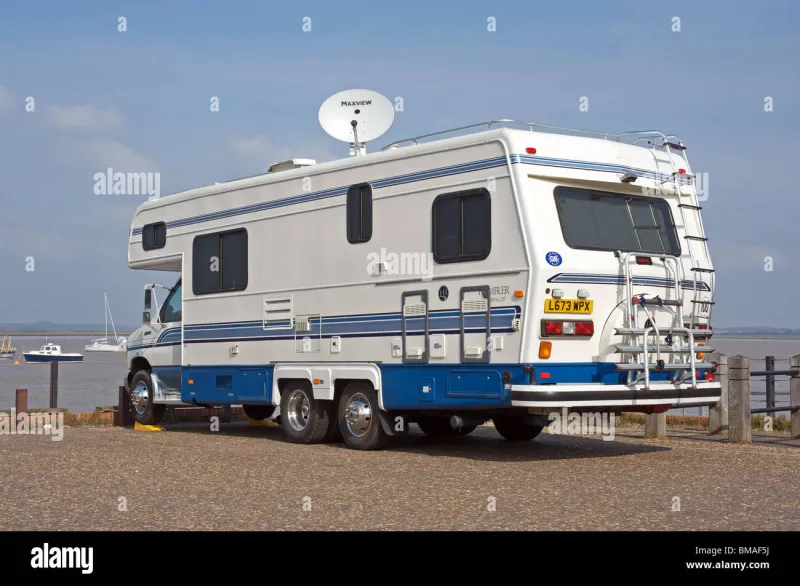
Photo: motorhome driving onto ferry vehicle deck UK, via c8.alamy.com
There's a moment on the crossing to the Isle of Wight — kettle on, van parked at a jaunty angle on the vehicle deck, the mainland shrinking behind you — when a motorhome trip stops being a road trip and becomes something else entirely. An expedition. An escape. Whatever you want to call it, putting your hire van on a boat is one of the best decisions you can make on a British touring holiday.
It's also the bit that puts people off. Bookings, dimensions, deck loading, the fear of clipping a wing mirror on a ramp — we get the questions every week. So here's the plain-English version, route by route, from a gentle ten-minute hop across the Solent to a proper Hebridean adventure.
First Things First: Book the Van, Not Just the Humans
The golden rule of ferry travel with a motorhome: book well in advance, and book the vehicle as a vehicle. Don't turn up on the day hoping for space. Ferry operators allocate a limited number of slots per sailing for high-sided vehicles, and summer sailings to the islands sell out weeks — sometimes months — ahead.
When booking, you'll need to know your van's exact length and height. Check your hire paperwork or give us a ring; don't guess. An overhanging bike rack or rear-mounted box counts towards your length on most routes, and getting it wrong at the ticket booth is an expensive lesson. Most operators will ask you to declare the total length including everything fitted, so measure bumper to bumper, rack to rack.
Cost-wise, expect the motorhome itself to be the biggest line item. As a rough guide, short crossings like the Wightlink routes from Portsmouth or Lymington start from around £40–£60 each way for a van of our size in low season, climbing considerably in August. Longer sailings — the CalMac routes to the islands, or the overnight crossings — are priced more like mini-holidays in themselves, but they bundle the journey and a night's accommodation into one.
The Training-Wheel Crossing: Isle of Wight
If you've never taken a motorhome on a ferry, start here. The Portsmouth–Fishbourne or Lymington–Yarmouth crossings take between 40 minutes and an hour, and the whole experience is mercifully low-drama. You join a clearly marked lane, follow a crew member's hand signals onto the ramp, and park close enough to the van in front that you can hear them arguing about whose turn it is to make the tea.
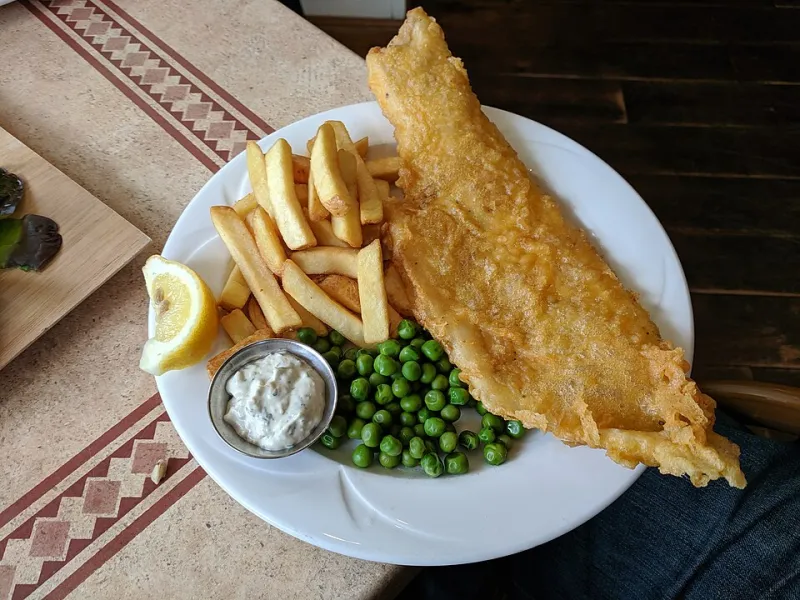
The beauty of the Wight for motorhomers is the scale. You can drive sea to sea in under an hour, which means the ferry isn't a logistical commitment — it's a gateway. Base yourselves near Freshwater for the cliffs, roll over to Newport for provisions, and finish with fish and chips on the seafront at Ventnor while the ferries slide past below.
The Next Step Up: Skye and the Inner Hebrides
Now for the big leagues — though Skye is a gentler introduction than you'd think, because you can cheat. The Skye Bridge at Kyle of Lochalsh means no ferry is required at all, which makes it the perfect first Highland itinerary: drive up, cross over, and save your ferry nerve for the islands beyond.
From there, the classic move is the short CalMac hop from Mallaig to Armadale (when it's running — check timetables, as it's seasonal), or the crossing from Uig on Skye to Tarbert or Lochmaddy in the Outer Hebrides. These sailings run from around 90 minutes to nearly four hours, and here's the thing nobody tells you: the ferry becomes the highlight, not the logistics.
CalMac vessels have proper lounges, decent coffee, and — on the longer routes — food that's better than it needs to be. Watch the Small Isles slide past on a clear day and tell me it doesn't beat a service station. On the longer crossings, some travellers book a cabin and sleep through the night, waking to a Hebridean sunrise. That's not travel; that's theatre.
A Word on Booking the Big Ones
For the Outer Hebrides and the longer routes, book as early as the operator allows — CalMac typically opens bookings well ahead of the season, and summer sailings from Oban or Uig to Barra, Harris or North Uist fill fast. If your dates are flexible, midweek sailings are cheaper and quieter. And if you're travelling off-peak, some routes offer return deals that take the sting out considerably.
One more tip: build slack into your itinerary. Hebridean weather can delay sailings, and a rigid plan is a recipe for white knuckles at the terminal. The van is your accommodation, so a delayed ferry is an inconvenience, not a crisis — treat a waiting day as a chance to explore Mallaig's harbour or Oban's seafront.
Sample Itinerary: The Two-Week Island Sampler
Want the shape of it? Here's a route we'd happily recommend:
- Days 1–3: Head north via the A82 — Loch Lomond, Glencoe, Fort William. Take it slowly; the driving is the point.
- Days 4–6: Over the Skye Bridge. Base near Broadford, explore the Trotternish Peninsula, stock up in Portree.
- Days 7–9: Ferry from Uig to Lochmaddy or Tarbert. Explore Harris — Luskentyre beach will ruin all other beaches for you — then trundle down the Golden Road.
- Days 10–11: Ferry from Leverburgh to Berneray, then work south through the Uists, watching for otters and corncrakes.
- Days 12–14: Ferry from Eriskay or Lochboisdale back to the mainland, and a gentle run south with a stop in Oban for seafood before the long drive home.
It's ambitious but entirely doable in a fortnight, and every leg involves water — either beside it or on it.
The Small Print, Briefly
A few practicalities worth knowing before you book. Some operators require high-sided vehicles to travel on specific decks or use designated ramps, and on longer sailings you'll typically be asked to leave the vehicle deck once parked (the crew will guide you). Carry your booking confirmation and photo ID. And check your hire agreement — we'll confirm the van's exact dimensions and any restrictions before you travel, so there are no surprises at the terminal barrier.
Why Bother?
Because a motorhome trip with a ferry in it feels different. The van stops being just transport and becomes a passport — to islands, to slower rhythms, to the particular pleasure of sitting in your own lounge while the sea goes by. Whether it's a fifty-minute hop to Yarmouth or a four-hour slog out to the Hebrides, the crossing is part of the holiday, not the price of it.
Book the van on. You won't regret it.