No Booking, No Problem: Where You Can Actually Sleep for a Night Without a Campsite
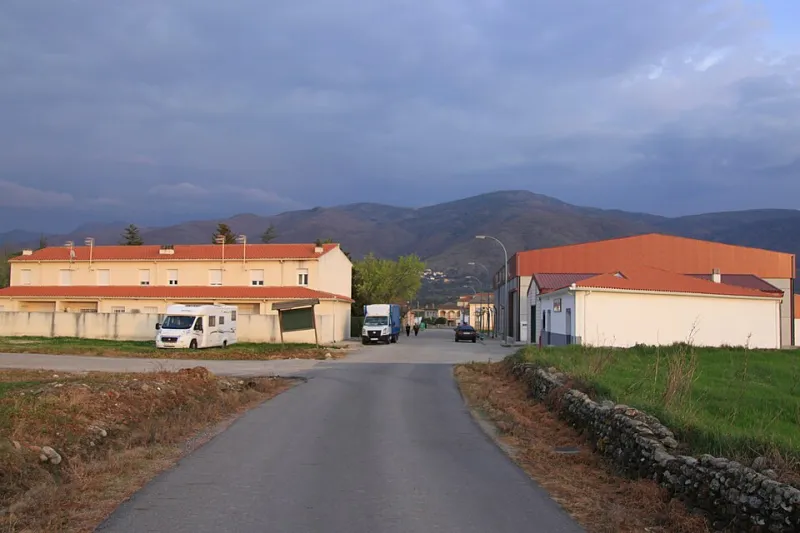
Photo: muffinn from Worcester, UK, CC BY 2.0, via Wikimedia Commons
There's a particular kind of freedom in not knowing where you'll sleep tonight. There's also a particular kind of 9pm panic when you're circling a dark country lane with the habitation light on and the dog judging you from the cab. This guide exists to keep the first feeling and banish the second.
The truth is that Britain — for all its reputation as a nation of rules — is surprisingly workable for the spontaneous motorhome traveller. You just need to know which doors are genuinely open, which are politely shut, and which ones will cost you a fine if you try your luck.
First, the Legal Bit (Because It Changes at the Border)
Wild camping is not one thing in the UK. It's three very different things depending on which side of a border you're parked.
Scotland is the headline act. The Land Reform (Scotland) Act 2003 gives everyone a right of responsible access to most unenclosed land, and that includes sleeping in your motorhome — with caveats. You need to be genuinely set up for the night, arrive late, leave early, take everything with you, and stay well clear of homes, livestock and Loch Lomond's stricter permit zones. The Highland Council and others have cracked down on irresponsible campervanning in hotspots, so the responsible-access principle matters more than ever.
England and Wales are a different animal. Here, sleeping overnight in a vehicle on land without permission is technically trespass — a civil matter rather than a crime, but not one you want to explain to a farmer at midnight. The practical upshot: wild camping in England and Wales is largely a no unless you have the landowner's blessing. Some are surprisingly happy to say yes if you ask, especially farmers, and a small fee often smooths the conversation.
Northern Ireland sits closer to England and Wales in law, though rural landowners can be accommodating if approached politely in advance.
Pub Stopovers: The Great British Compromise
If wild camping is off the menu south of the border, the pub stopover is the answer to your prayers — and arguably better anyway. You get a flat(ish) car park, a pint, and a roast the next day if you time it right.
Several schemes formalise this. Britstops is the best known: an annual handbook of pubs, farms and attractions that welcome self-contained motorhomes for free overnight parking, with the understanding you'll buy a meal or a drink. Pub Stopover and OSM-based maps list similar venues. A few chains with large car parks have historically been tolerant of overnight motorhomes, but policies shift and individual managers decide — always ask inside rather than assuming.
The golden rule of pub stopovers: it's a courtesy, not a right. Buy supper. Leave by mid-morning. Don't put out awnings, chairs or the barbecue like you've arrived at the Cotswolds' finest site.
Community and Council Motorhome Parking
A quiet revolution has happened in the last decade. Towns and villages — particularly in Scotland, the Lake District, Cornwall and along the Welsh coast — have started designating official overnight motorhome spots in car parks, often with a modest fee, water and waste disposal. Places like Ullapool, Fort William and various Ayrshire towns run these properly, and they take the pressure off both travellers and fragile laybys.
Check local council websites or the apps below before relying on one; some are first-come, some are bookable, and a few have time limits that catch people out.
The Apps That Earn Their Keep
- Searchforsites — the UK's most comprehensive database of stopovers, pubs and motorhome-friendly car parks, with user reviews.
- Park4Night — brilliant across Britain and Europe, with community-reported spots and comments on access and noise.
- Britstops — the handbook and app for participating venues.
- CamperContact — solid alternative with good European coverage if your trip strays onto the ferry.
Download offline maps before you go. Rural signal is a lottery, and a stopover app that won't load in the Brecon Beacons is just a very expensive brick.
Arriving Late, Leaving Early: The Etiquette
The whole informal overnight system rests on one unspoken contract. Break it and spots close for everyone.
- Arrive after teatime, leave by mid-morning. You're sleeping there, not moving in.
- No chairs, no awnings, no washing line. If it can stay inside the van, it should.
- Ask at the bar when there's a pub involved, even if the app says it's fine.
- Take your rubbish — and if there's a bin, don't treat it as your personal skip.
- Generators are a hard no almost everywhere informal.
- Support the venue. A stopover that costs the pub nothing but earns it nothing won't last.
The Grey Areas, Honestly Assessed
Laybys on A-roads are legal to park in overnight unless signed otherwise — but they're noisy, exposed and increasingly targeted by overnight parking bans in scenic areas. Supermarket car parks vary wildly by branch and are best treated as a last resort, with permission from the manager. Forestry England and some National Trust land occasionally allow overnight stays at designated points; check before you go, not when you arrive.
And if a sign says no overnight parking, believe it. The £60 fine rather ruins the romance.
The Bottom Line
Britain rewards the traveller who does a bit of homework. Scotland hands you genuine freedom if you use it responsibly; England and Wales ask you to be cleverer — a pub stopover here, a council bay there, the occasional friendly farmer. Do it properly and you'll find the open road really is on your terms, one well-chosen night at a time.