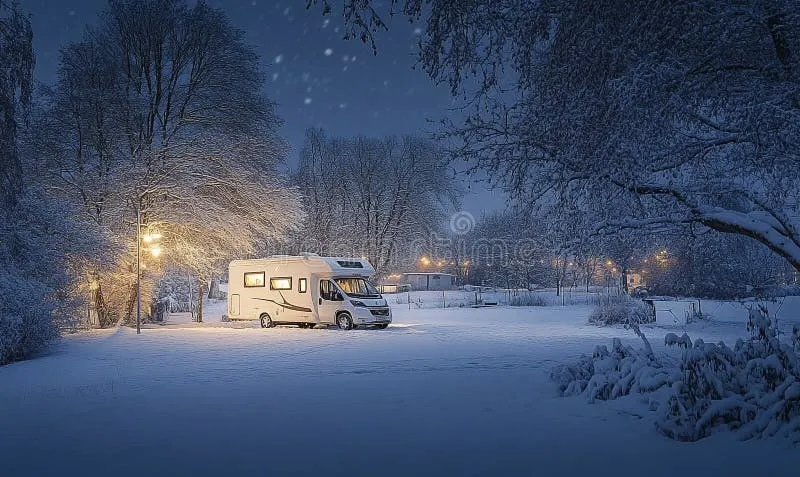
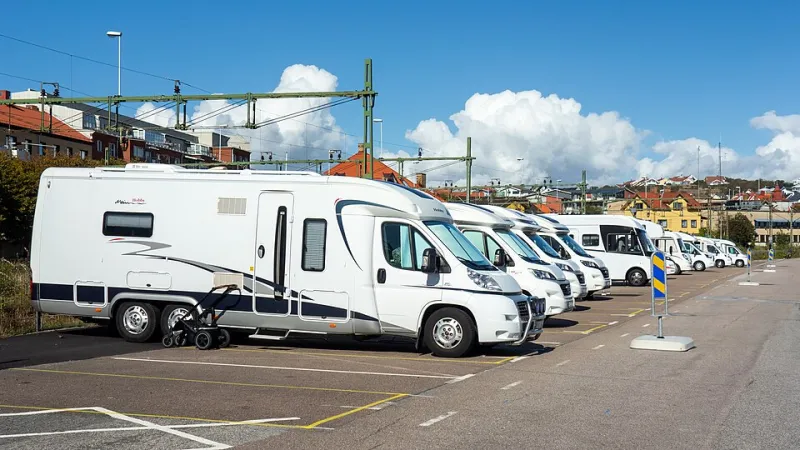
The Great British Ahab: A Week Hunting the Perfect Sea View Pitch
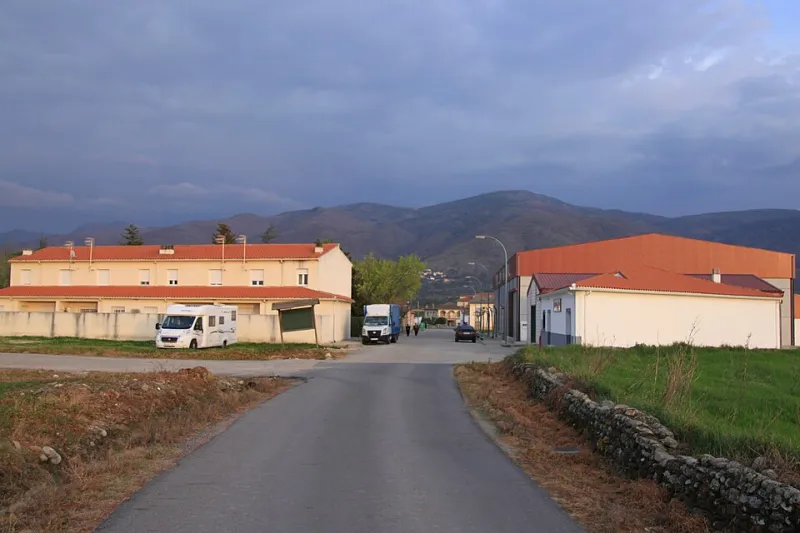
Photo: muffinn from Worcester, UK, CC BY 2.0, via Wikimedia Commons
Somewhere between Cromer and Campbeltown, I realised I had become Captain Ahab. Except my white whale wasn't a whale at all. It was a campsite pitch where you could open the habitation door and see the sea. Just the sea. No car park, no toilet block, no caravan awning in the shot. The sea.
This is the national obsession nobody talks about. British holidaymakers will pay eye-watering sums for a sea view pitch, then spend the entire week worrying about the salt air, the wind and whether the van's nose is level. We know this. We see the booking patterns every summer. So we sent a writer off to test the promise properly: a week, a van, and a mission to find out which sites mean it when they say 'stunning sea views'.
The Brochure Problem
'Stunning sea views' is doing a lot of heavy lifting in UK campsite marketing. It can mean a pitch on a cliff edge with the Atlantic filling your windscreen. It can also mean a field half a mile inland where, if you stand on the picnic bench and squint past the static caravans, there's a sliver of blue on the horizon.
The first rule of sea view hunting, learned the hard way on the Norfolk coast: read the site plan, not the photos. Photos are taken from the one pitch with the view. Site plans tell you which pitch numbers actually have it. Ring the site, ask for pitch numbers, write them down, and request them by number when you book. Sites will accommodate this far more often than you'd expect, especially outside peak school holidays.
Stop One: Norfolk, Where 'Technically' Was Born
Our first night was at a well-known site near Mundesley. Lovely place. Friendly wardens, immaculate facilities, and a pitch described in the confirmation email as 'sea-facing'.
It was sea-facing the way a window seat at Gatwick is sky-facing. There was a view, technically, over a dune system, past the beach huts, between two chalets. At 9pm, standing on the van's rear step, I could see the North Sea. Barely. It counted, on a technicality, and technicalities are not what we came for.
The lesson: the phrase 'elevated sea views' usually means the site is on a hill, not that your pitch is at the front. 'Some pitches have sea views' means maybe four do, and they're booked by February.
Stop Two: The Yorkshire Coast, Where the Wind Keeps Score
North of Scarborough, the cliff-top sites are the real deal. Proper views: 180 degrees of North Sea, the Cleveland Way snaking along the headland, gulls performing aerobatics at eye level.
But here's the trade-off the brochures don't mention, and it's the single most useful thing from this whole trip: sea view pitches are exposed pitches. The same lack of shelter that gives you the view gives you the wind, and a motorhome is essentially a 3.5-tonne sail.
Our second night blew at a steady 30mph with gusts well beyond. The van rocked every time a door opened. The awning stayed in its bag. Dinner was anything that could be cooked without the hob being a liability. Sleep was fine, actually, once you accepted the rocking as a feature. But if you're hiring a motorhome for the first time and you've booked a clifftop pitch in October, check the forecast and have a plan. Most sites will let you move to a sheltered pitch if the weather turns; ask at check-in rather than at 2am.
Practical wind notes: park nose into the wind, not side-on. Wind out of the north or east on the east coast is the kind that rattles the habitation door all night. And never, ever leave a rooflight open on an exposed pitch. Ask us how we know.
Stop Three: Argyll, Where the Whale Was Caught
The Kintyre peninsula is a long way from Norfolk. That's rather the point. We rolled into a small site above the Sound after eight hours of driving, and the warden walked us personally to pitch six, pointed at the water and said, 'That's Arran. That's your view. That's why you came.'
He was right. The sea filled the windscreen from horizon to horizon. Evening light on the water. A ferry crossing in the middle distance like something off a shortbread tin. The premium over the standard pitches? About 40%. Worth it? Every penny, and here's the honest maths: on a week's hire, that premium is roughly the cost of one decent pub dinner. You get the view for seven days. The dinner lasted forty minutes.
The 6am Case
Here's the thing about a genuine sea view pitch that nobody puts in the brochure: the best of it happens before anyone else is awake. At six in the morning, with the kettle on and the country still asleep, the sea does its best work. Flat water, low light, nobody else's laundry on the line. That hour alone justifies the booking. It's the whole reason we wrote about the early kettle-on hour before, and a sea view pitch is its natural habitat.
The Trek Verdict
If you're hiring a van and chasing the same whale, the rules are simple. Book early and book by pitch number. Expect to pay 30-40% more for the front row and decide in advance whether that's worth it to you (it is). Assume exposure: pack pegs that actually work in wind, bungee the awning, and check forecasts. And when a site says 'some pitches have sea views', believe it. Some. Find out which, or the North Sea will remain a rumour between two chalets.