Frost on the Windscreen, Campsite to Yourself: The Case for Winter Motorhome Hire
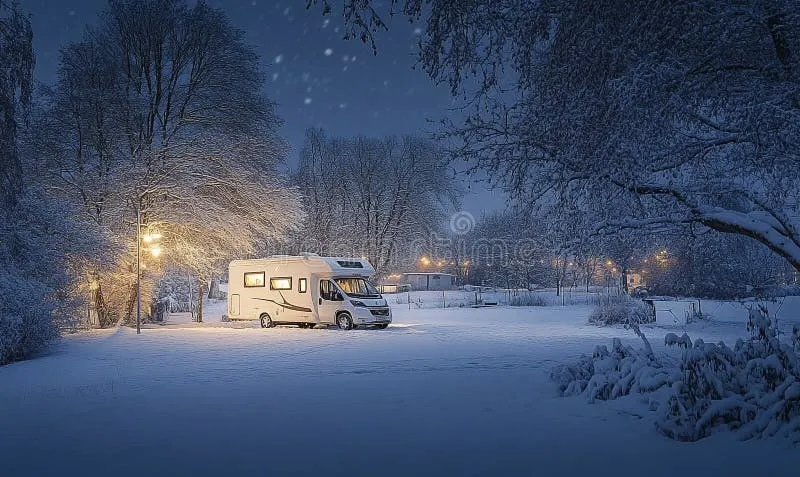
Photo: motorhome parked winter frost mountain landscape UK, via thumbs.dreamstime.com
Somewhere between the October half-term chaos and the Easter rush lies a stretch of the calendar that most motorhome hirers ignore entirely. We think that's a mistake. Winter hire is cheaper, quieter and — if you prepare properly — arguably more atmospheric than any summer fortnight you'll ever book.
The Money Side of Things
Hire rates between November and February can drop by a third or more compared with peak summer weeks. Add in campsites offering off-season pitches at half price — often with hardstandings and electric hook-up thrown in — and the maths starts making a compelling argument. You might pay less for a week in the van in January than you would for a long weekend in August.
Then there's what you get for it. The beach at Polzeath in December, all grey swell and no bodyboards. A car park at Cairn Gorm with four other cars in it. Fish and chips eaten in the warm fug of the van while sleet streaks the windows. These are the moments winter hands you for free.
The Honest Bit: What You Need to Know
Winter motorhoming isn't summer motorhoming with a scarf. A few practicalities matter:
Heating. Most modern hires run gas or diesel blown-air heating that will keep you toasty all night. Run it — don't be shy with it. Keep one roof vent cracked slightly open to manage condensation; it sounds counterintuitive, but a little airflow beats a wet ceiling every time.
Damp. Condensation is the winter motorhomer's constant companion. Wipe windows down each morning, use the habitation door less (it's the biggest heat-loss point), and dry wet kit in the cab, not the living area.
Daylight. You'll get eight hours of it, maybe less in Scotland. Plan driving for the middle of the day and treat late afternoons as arrival time. There's a real pleasure in being pitched up, kettle on, by four o'clock.
Water. Check whether your chosen campsites stay open — many do, but services may be reduced. Carry a top-up jug and assume the facility block, not just the van, is part of your comfort plan.
The Winter-Ready Packing List
Beyond the usual kit, pack:
- Thick socks and a proper waterproof — layers beat one big coat
- A headtorch each (dark by 4.30pm, remember)
- Extra tea towels and a microfibre cloth for window-wiping duty
- A hot water bottle — the van heater is good, the hot water bottle is better
- Slow-cooker-friendly food: stews, curries, anything that makes the van smell like a home
- A flask for walks — hot coffee at a viewpoint in February hits differently
- De-icer and a scraper for the cab windscreen
- Board games and downloaded podcasts — evenings are long and lovely
Three Cold-Weather Routes That Work
The Cairngorms Loop, 4–5 days. Base yourself near Aviemore and Grantown-on-Spey. Short, spectacular walks from the van's doorstep, whisky distilleries with roaring fires, and the genuine possibility of snow on the tops. Keep to lower routes if the forecast turns; the A9 in winter deserves respect.
The Northumberland Coast, 3–4 days. Bamburgh Castle looming over an entirely empty beach, the Holy Island causeway timed with the tides (check them religiously in winter), and dark skies that make stargazing from your pitch a nightly event.
Cornwall Out of Season, 5–7 days. Take the A30 down and work the coast road slowly: St Ives without the crowds, the Lizard in a gale, Padstow's harbour walls with the wind behind you. Many sites here stay open year-round and the light in winter — low, gold, dramatic — is a photographer's cliché for a reason.
One Last Thing
Winter hire isn't about enduring the cold; it's about having the warmest, cosiest little room in Britain parked wherever you fancy. Book a van with good heating, pack the socks, and go and see what the country looks like when nobody else is looking.
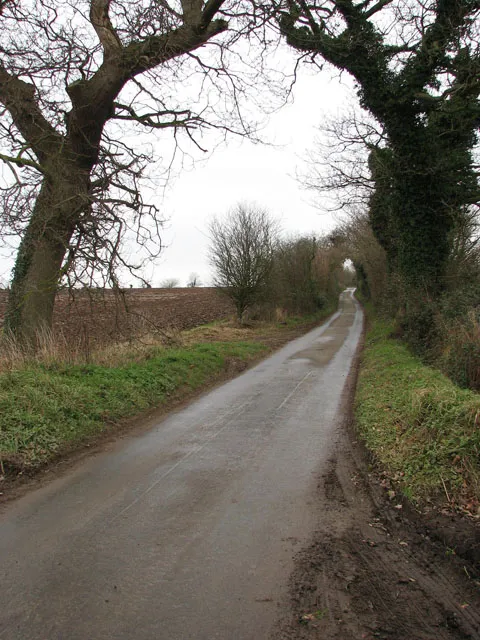
The aisles are empty. The roads are yours.